
Commercial Epoxy Flooring Cost in Florida: 2026 Pricing Guide
Learn what affects commercial epoxy flooring cost in Florida, including prep, finish type, downtime, traffic, and slab conditions.
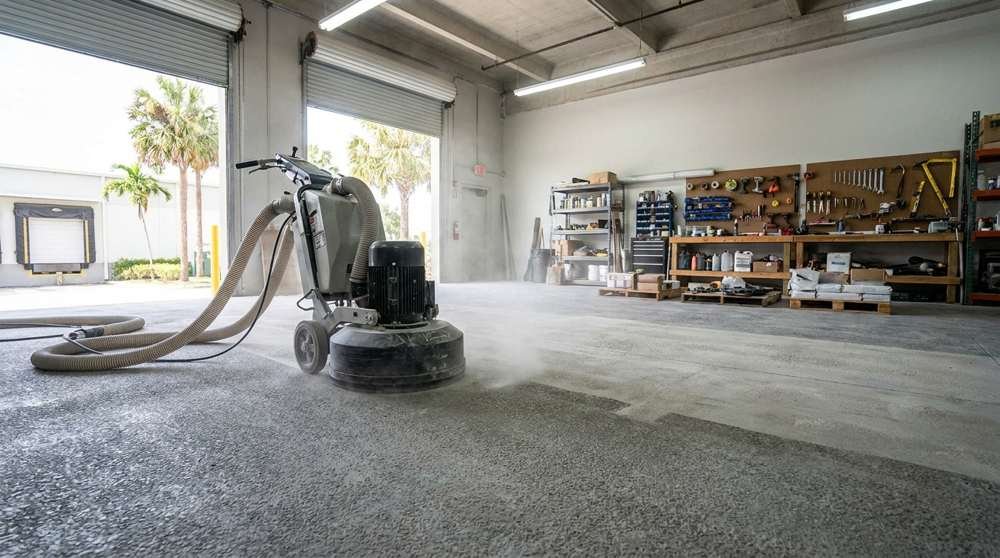
Commercial epoxy flooring cost in Florida depends on square footage, slab condition, coating system, and how much downtime the business can allow. JC Epoxy Coatings installs commercial epoxy flooring for retail floors, warehouses, shop spaces, and customer-facing commercial environments across South Florida.
Two buildings with the same floor size can price differently if one slab needs crack repair, moisture control, or a thicker traffic-rated system. This guide explains the cost factors, finish choices, and Florida-specific conditions that affect a commercial quote.
What Drives Commercial Epoxy Flooring Cost?

Commercial floor pricing starts with size, but size is not the whole number. Prep, traffic level, and coating type can change the final scope quickly.
The biggest cost drivers include:
- Total square footage and layout complexity
- Existing coating removal or bare concrete prep
- Crack, spall, and joint repair needs
- Moisture vapor conditions below the slab
- Finish type, such as solid, flake, or quartz
- Chemical, forklift, or food-service exposure
- Required schedule and access limitations
JC Epoxy Coatings does not pour new slabs or perform structural concrete repair. The closest offered service is crack and spall repair as part of floor coating preparation.
A clean open retail floor usually costs less per square foot than a divided shop area with drains, equipment pads, and damaged concrete.
How Finish Type Changes the Budget

Commercial floors need the right finish for traffic and cleaning, not just the lowest installed price. JC Epoxy's finish systems serve different business needs.
Solid color epoxy
Solid color epoxy is often the most straightforward commercial option. It creates a clean, professional floor for offices, back rooms, light shops, and storage areas.
Because it has no decorative broadcast layer, it can show dust or scratches sooner. It works best where function and budget matter more than camouflage.
Flake and quartz systems
Flake systems add texture and hide daily wear better than solid color. Quartz systems add more abrasion resistance and slip resistance for higher-traffic or safety-focused spaces.
Restaurants, medical spaces, and busy shop floors often benefit from quartz or textured systems. The higher material cost can make sense when cleaning and traction matter every day.
Metallic finishes
Metallic epoxy is usually a design-driven commercial choice. Showrooms, studios, and boutique retail spaces use it when the floor should stand out.
It costs more because the pigment work is hand-controlled. It is rarely the first choice for forklift aisles or high-abuse back-of-house spaces.
Florida Conditions That Affect Commercial Quotes

Florida commercial slabs can hold moisture even when the surface looks dry. High humidity and a high water table can push vapor up through concrete and weaken coatings from below.
That is why moisture control matters in Port St. Lucie, West Palm Beach, and coastal properties near salt air. A moisture vapor barrier can protect the bond before the base coat goes down.
Commercial projects also need schedule planning. A retail floor may need phased work after hours. A warehouse may need clear access for grinding equipment and cure time before traffic returns.
JC Epoxy's five-step process includes diamond grinding, repair, base coat, decorative or functional layer, and clear topcoat. Skipping prep can lower the quote, but it usually raises the risk of peeling.
How to Plan a 2026 Commercial Flooring Budget

Start by measuring the floor and listing how the space is used. A 1,000-square-foot retail floor, a 3,000-square-foot warehouse, and a commercial kitchen all need different systems.
For businesses in Port St. Lucie and the wider surrounding service area, a site visit is the safest way to price the work. Photos help, but they cannot show slab moisture, coating thickness, or hidden contamination.
Bring these details to the estimate:
- Approximate square footage
- Current floor condition
- Business hours and downtime limits
- Cleaning chemicals used in the space
- Vehicle, cart, or forklift traffic
- Desired finish and slip-resistance needs
A clear scope helps prevent pricing surprises and keeps the coating matched to actual use.
Frequently Asked Questions
Why does commercial epoxy cost more than garage epoxy?
Commercial epoxy often costs more because the floor handles heavier traffic, larger areas, and stricter cleaning needs. The slab may also need more repair or coating removal. JC Epoxy Coatings sizes the system around the business use, not just the square footage.
Is quartz epoxy worth the added cost for commercial floors?
Quartz epoxy can be worth the added cost when slip resistance, abrasion resistance, and daily cleaning matter. It is especially useful in busy commercial spaces. A light-duty storage room may not need quartz, but a high-traffic facility often benefits from it.
Can a business stay open during epoxy flooring work?
Some businesses can stay open during phased epoxy flooring work, but it depends on layout, ventilation, and cure timing. Retail spaces may schedule work after hours. Warehouses may need temporary traffic changes so the coating can cure without damage.
Price the Floor Around Business Use
Commercial epoxy flooring cost should reflect what the floor has to survive. A low-traffic showroom, a shop floor, and a warehouse aisle each need a different balance of prep, coating thickness, texture, and finish.
If you need a Florida commercial floor estimate, contact JC Epoxy Coatings or call (954) 994-8204. Alex can inspect the slab, discuss downtime, and recommend a system that fits the space.