
Epoxy vs Polyurea Garage Floor: Which Coating Lasts Longer in South Florida?
Compare epoxy vs polyurea garage floor systems for South Florida humidity, hot tires, UV exposure, and long-term durability.
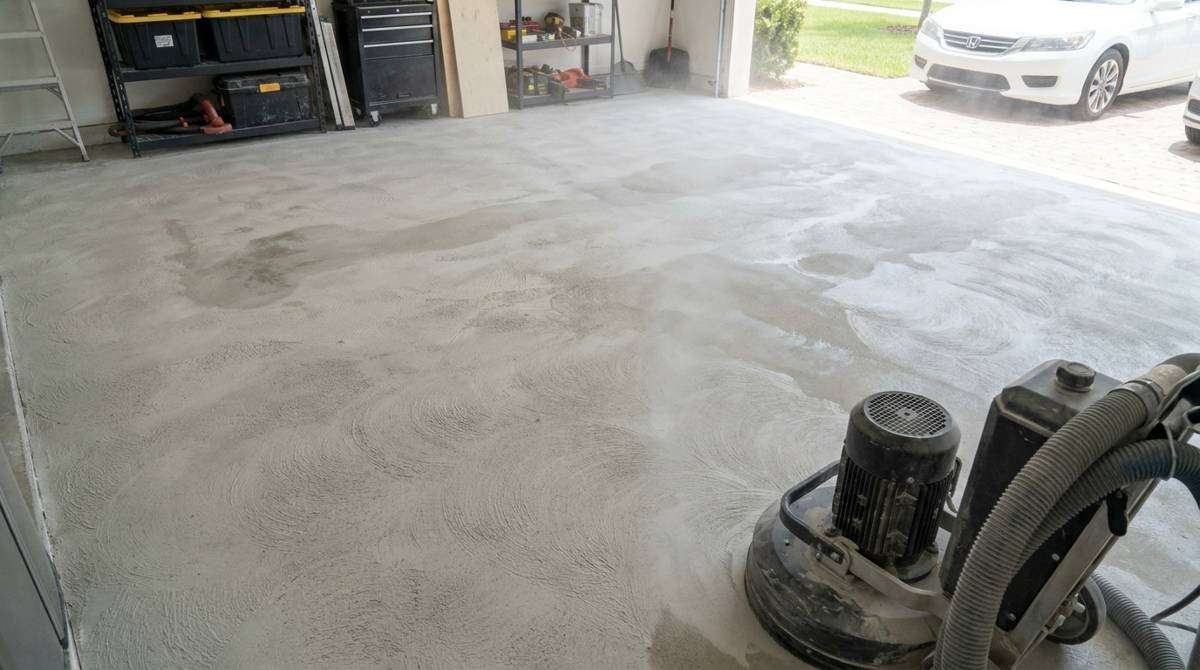
Epoxy vs polyurea garage floor choices usually come down to bond strength, UV stability, and moisture control in South Florida. JC Epoxy Coatings builds garage floor epoxy systems with an epoxy base and a UV-stable topcoat because each layer solves a different Florida problem.
Most homeowners compare epoxy and polyurea because they want one floor that survives humidity, hot tires, and daily parking. This guide explains where each chemistry performs well, why JC Epoxy does not install standalone polyurea-only floors, and how a layered system changes long-term durability.
Why South Florida Changes the Coating Comparison

South Florida garages challenge floor coatings from below and above. Moisture vapor rises through concrete because of the high water table. UV and heat attack the surface from the top.
That matters because epoxy and polyurea solve different parts of the problem. Epoxy bonds strongly to properly ground concrete. Polyurea cures fast and handles movement well, but fast cure can shorten working time during humid installs.
JC Epoxy Coatings focuses on floor coatings, not tile, painting, or general contracting. For garage floors, the closest offered solution is a multi-layer epoxy system with a polyaspartic or polyurethane clear topcoat.
Key Florida stress points include:
- Moisture vapor pushing upward through the slab
- Hot-tire pickup after highway driving
- UV exposure near open garage doors
- Salt air in coastal communities
- Oil, brake fluid, and lawn chemicals
The better question is which system controls moisture, bonds to the slab, and protects the surface.
Where Epoxy and Polyurea Perform Differently

Epoxy is usually the stronger base layer for garage concrete. It gives installers more working time, wets into the surface profile, and builds a durable body coat.
Polyurea is often marketed as a faster, tougher alternative. JC Epoxy does not offer standalone polyurea-only floors. The company uses epoxy and polyaspartic or polyurethane topcoats because the layered approach better matches Treasure Coast slab conditions.
Epoxy strengths
Epoxy works well when the concrete is diamond ground first. The open surface profile helps the coating bite into the slab instead of sitting on top.
Epoxy also handles decorative systems well. Flake, metallic, and solid color finishes all need a base coat that stays workable long enough for a clean broadcast or pigment effect.
Polyurea limitations
Polyurea cures quickly, which can help commercial schedules. That speed can also make garage installation less forgiving when humidity, slab temperature, or surface prep varies.
A rushed cure window leaves less time to correct edge work, broadcast flake evenly, or react to slab conditions. In Florida, prep time usually matters more than speed.
Why the Layered System Lasts Longer

A longer-lasting garage floor usually comes from the full installation sequence, not one coating label. JC Epoxy uses the same five-step process across its epoxy finish options: grinding, repair, base coat, decorative layer, and clear topcoat.
That sequence matters in Port St. Lucie and nearby coastal areas. Moisture vapor can break the bond below a coating that looks perfect on day one. A moisture vapor barrier helps block that pressure before the base coat goes down.
The layered system gives each material a job:
- Diamond grinding opens the concrete surface.
- Crack and chip repair levels visible flaws.
- The epoxy base bonds and builds thickness.
- Flake, metallic, or solid color creates the finish.
- The UV-stable topcoat resists sun, tires, and abrasion.
This system also supports the 10-year warranty JC Epoxy provides on adhesion, peeling, and delamination under normal residential use.
Which Garage Floor Should You Choose?

Choose the coating system that matches how your garage is used. A daily-driver garage in JC Epoxy's Treasure Coast service area needs different priorities than a showroom garage in Jupiter.
Flake epoxy is usually the practical choice for residential garages. It hides dust, adds slip resistance, and handles tools, tires, and storage traffic. Metallic epoxy fits luxury garages where visual depth matters more than hiding debris.
Standalone polyurea may sound appealing if speed is the main selling point. For South Florida concrete, durability usually starts with slab prep and moisture control. A one-day system can still be thorough when the sequence is planned correctly.
Frequently Asked Questions
Is polyurea better than epoxy for a humid South Florida garage?
Polyurea is not automatically better than epoxy in a humid garage. Epoxy provides strong slab bonding when the concrete is diamond ground first. JC Epoxy Coatings uses a layered system because South Florida humidity demands moisture control below and UV resistance above.
Why does JC Epoxy use a polyaspartic topcoat over epoxy?
A polyaspartic or polyurethane topcoat protects the epoxy base from UV, tire traffic, and daily abrasion. The epoxy layer handles the bond to prepared concrete. That division of labor is why the system works better than choosing one chemistry by name.
Can a one-day garage floor coating still last years?
A one-day coating can last years when the prep and cure sequence are controlled. The schedule alone does not decide durability. Grinding, crack repair, moisture vapor control, and the final topcoat decide how well the floor handles Florida garage use.
Match the Coating to the Concrete
Epoxy and polyurea both have useful properties, but the longest-lasting garage floors in South Florida usually layer materials instead of treating them as rivals. Bond strength, moisture control, and UV protection each need attention.
If you want a garage floor built for Treasure Coast humidity, contact JC Epoxy Coatings for a free estimate or call (954) 994-8204. Alex can inspect your slab and recommend the system that fits your garage.