
How Much Does Epoxy Flooring Cost for Restaurants & Commercial Kitchens? 2026 Price Guide
Learn what affects restaurant epoxy flooring cost, including prep, moisture, traction, finish type, downtime, and kitchen conditions.
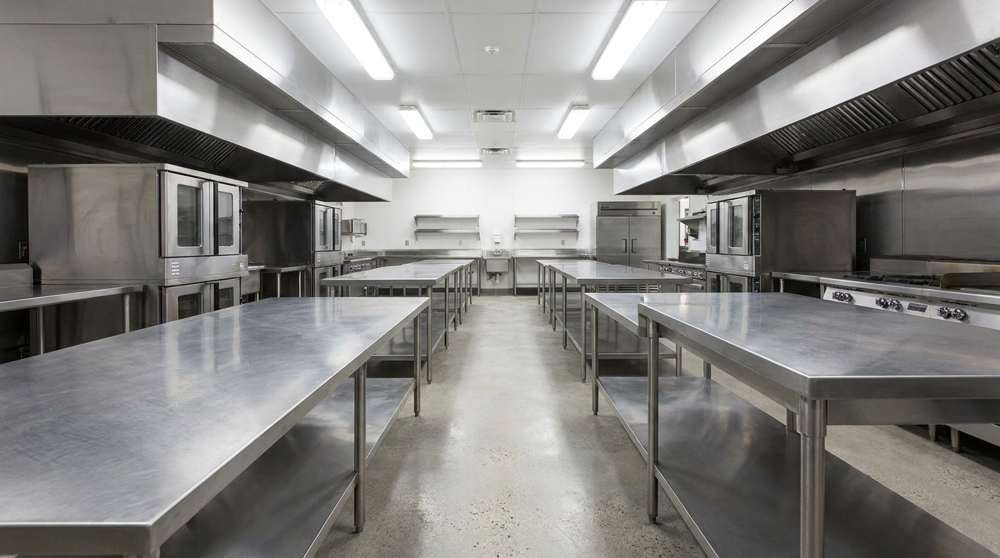
Restaurant epoxy flooring cost depends on slab condition, kitchen layout, traffic, cleaning needs, and the coating system required. JC Epoxy Coatings installs commercial epoxy flooring for restaurants, kitchens, retail spaces, and other high-use commercial floors in South Florida.
A dining area, prep kitchen, dishwashing zone, and back hallway all place different demands on the floor. This guide explains the main price factors, finish choices, and planning details that affect a 2026 restaurant flooring estimate.
What Affects Restaurant Epoxy Flooring Cost?

Restaurant floors cost more when they require detailed prep, chemical resistance, texture, or tight scheduling. The square footage matters, but the use of each area matters more.
Key cost drivers include:
- Total square footage and room layout
- Grease, old adhesive, or coating removal
- Crack, spall, and joint repair needs
- Drain, baseboard, and equipment details
- Slip-resistance requirements
- Cleaning chemical exposure
- Downtime and after-hours scheduling
JC Epoxy Coatings does not install tile, vinyl, or full kitchen buildouts. The closest offered solution is a coated concrete floor system for existing concrete.
A small kitchen with heavy grease contamination can require more prep than a larger clean dining room. That is why site inspection matters before pricing.
Prep, Moisture, and Kitchen Conditions

Restaurant concrete sees a difficult mix of water, heat, grease, and cleaning chemicals. If those conditions are ignored, the coating can fail earlier than expected.
JC Epoxy's installation process starts with diamond grinding. Grinding creates a surface profile that helps the base coat bond to concrete.
Prep may include:
- Removing old coatings or adhesive residue
- Repairing cracks and chipped concrete
- Cleaning grease and surface contamination
- Checking moisture vapor concerns
- Detailing edges around drains and walls
Florida humidity adds another layer. High moisture under the slab can push against coatings from below, especially in older commercial spaces.
A moisture vapor barrier and proper prep protect the bond before the restaurant returns to daily service.
Finish Options for Kitchens and Dining Areas

The right finish depends on where the floor is located. A front dining room may need a clean decorative appearance. A kitchen needs traction and durability first.
JC Epoxy's finish systems include solid color, flake, quartz, metallic, stained concrete, and grind-and-seal options. Restaurants usually compare function, cleaning, and appearance together.
Common choices include:
- Solid color epoxy for clean utility areas
- Flake systems for texture and visual camouflage
- Quartz systems for traction and abrasion resistance
- Metallic finishes for design-focused front areas
- Grind-and-seal where natural concrete fits the space
Commercial kitchens often benefit from textured systems because wet floors can become slippery. Dining areas may prioritize appearance and easier daily cleaning.
Scheduling Around Restaurant Operations

Downtime can affect restaurant flooring cost because work may need to happen after hours or in phases. Crews need time to grind, repair, coat, and allow cure before service resumes.
Access is also important. Equipment, storage racks, refrigerators, and prep tables may need to move before installation. Clear access can reduce delays and protect the final finish.
For restaurants in Port St. Lucie and the wider surrounding service area, a site visit helps confirm schedule and slab conditions. Photos are useful, but they cannot show hidden contamination or moisture.
Before requesting a quote, gather:
- Approximate square footage by area
- Current floor type and condition
- Hours when the space can be closed
- Cleaning chemicals used each day
- Wet areas, drains, and traffic paths
- Desired traction and appearance level
A clear plan helps the quote match how the restaurant actually operates.
Frequently Asked Questions
Is epoxy flooring good for commercial kitchens?
Epoxy flooring can be a strong option for commercial kitchens when the system is built for traction, cleaning, and chemical exposure. The concrete must be prepared correctly. JC Epoxy Coatings recommends matching the finish to wet areas and traffic levels.
What makes restaurant epoxy flooring more expensive?
Restaurant epoxy flooring costs rise with grease removal, coating removal, moisture control, detailed edge work, and slip-resistant finishes. After-hours work or phased scheduling can also affect labor. The final price depends on the floor's condition and use.
Can epoxy flooring be installed without closing the restaurant?
Some restaurant projects can be phased, but full closure may be safer for prep, coating, ventilation, and cure time. The answer depends on layout and operating hours. A site visit helps decide whether phased work is realistic.
Price the Floor Around Food-Service Use

Restaurant epoxy flooring cost should reflect cleaning routines, wet areas, traffic, and downtime. A kitchen, hallway, and dining room may each need a different balance of texture, appearance, and chemical resistance.
If you need a South Florida restaurant floor estimate, contact JC Epoxy Coatings or call (954) 994-8204. Alex can inspect the slab and recommend a coating system for the space.