
How Much Does Warehouse Epoxy Flooring Cost in South Florida? 2026 Price Estimates & Breakdown
Learn what affects warehouse epoxy flooring cost in South Florida, including prep, traffic, finish type, downtime, and slab conditions.
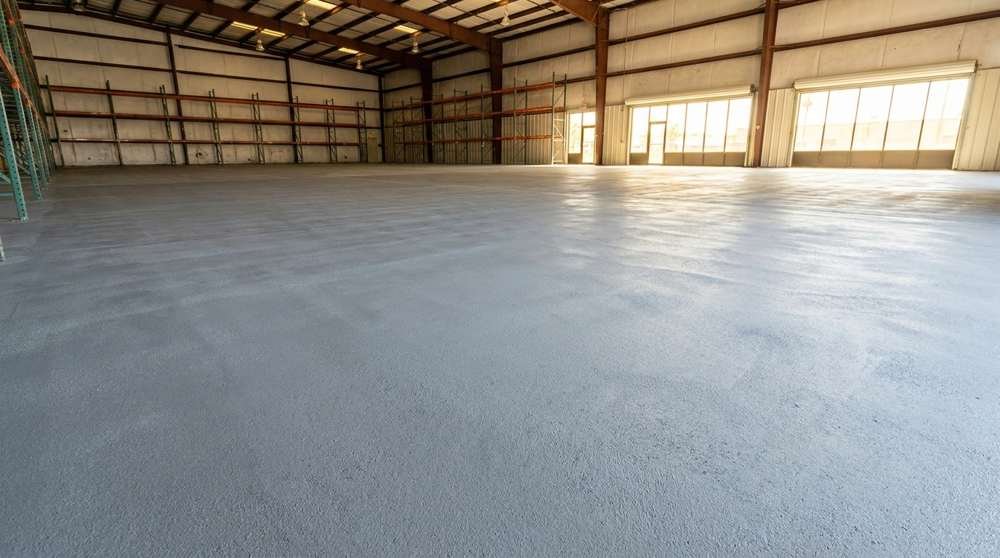
Warehouse epoxy flooring cost in South Florida depends on slab condition, total square footage, traffic type, and the coating system needed. JC Epoxy Coatings installs commercial epoxy flooring for warehouse, shop, retail, and work areas that need durable coated concrete.
A large open warehouse can cost less per square foot than a smaller shop with drains, old coatings, and damaged slab edges. This guide explains the main pricing factors, where costs rise, and how to plan a warehouse floor budget.
What Drives Warehouse Epoxy Flooring Cost?

Warehouse flooring prices start with square footage, but the final quote depends on how hard the space works. A storage area, forklift aisle, and mechanic bay do not need the same surface.
The biggest cost factors include:
- Total square footage and room layout
- Existing coating, glue, or sealer removal
- Crack, chip, and spall repair needs
- Forklift, pallet jack, or cart traffic
- Chemical, oil, or cleaning exposure
- Moisture conditions below the slab
- Downtime limits during installation
JC Epoxy Coatings does not pour new slabs or complete structural concrete repair. The closest offered work is crack and spall repair as part of coating preparation.
A cleaner slab with open access usually prices lower than a congested warehouse with equipment, oil contamination, or phased scheduling needs.
How Concrete Prep Changes the Estimate

Preparation is one of the largest differences between a low quote and a floor that lasts. Warehouse concrete often has tire residue, old coatings, patched joints, or surface contaminants.
JC Epoxy's installation process starts with diamond grinding. Grinding opens the concrete so the base coat can bond instead of sitting on a smooth surface.
Prep may also include:
- Removing loose coatings or failed paint
- Repairing cracks and spalled areas
- Cleaning oil or chemical residue
- Addressing moisture vapor before coating
- Detailing edges, drains, and equipment pads
Skipping prep can make a warehouse quote look cheaper at first. It can also increase the chance of peeling, bubbling, or early wear under heavy traffic.
Finish Choices and Traffic Levels

The coating system should match the way the warehouse operates. A light storage space may need a simpler solid color floor. A busy facility may need more texture and abrasion resistance.
JC Epoxy's finish systems include solid color, flake, quartz, metallic, stained concrete, and grind-and-seal options. For warehouses, function usually matters more than decorative depth.
Common warehouse choices include:
- Solid color epoxy for clean storage areas
- Flake systems for texture and visual camouflage
- Quartz systems for traction and abrasion resistance
- Grind-and-seal for a natural concrete appearance
Forklifts, pallet jacks, and heavy carts can justify stronger topcoats or textured systems. Food-service or shop environments may need more chemical resistance than basic storage.
South Florida Scheduling and Access Factors

South Florida warehouses also need planning around humidity, rain, and business downtime. A floor may need phased work so part of the facility can stay usable.
Access affects labor, too. Open spaces are easier to grind and coat than tight areas around racks, machinery, or drains. Moving inventory before installation can reduce labor delays.
For warehouses in Port St. Lucie and the wider surrounding service area, moisture testing and slab inspection matter. High humidity and a high water table can affect coating bond.
A site visit helps confirm:
- Square footage and aisle layout
- Loading dock and entry access
- Cure time before forklift traffic returns
- Ventilation and business-hour limits
- Moisture or contamination risks
The best budget is built around real operating conditions, not a flat number from photos alone.
Frequently Asked Questions
What raises warehouse epoxy flooring cost the most?
The biggest cost increases usually come from coating removal, concrete repair, moisture control, and heavy traffic requirements. Tight access or phased scheduling can also add labor. JC Epoxy Coatings inspects the slab before recommending a warehouse system.
Can epoxy handle forklifts in a warehouse?
Epoxy can handle forklift traffic when the slab is prepared correctly and the system is built for that use. The coating thickness, topcoat, and texture matter. Heavy traffic areas may need a stronger system than basic storage spaces.
How long is a warehouse floor out of service?
Downtime depends on the size, coating system, ventilation, and traffic schedule. Some warehouses need phased work to keep operations moving. Cure time must be respected before forklifts, pallets, or heavy carts return.
Build the Estimate Around Operations

Warehouse epoxy flooring cost should reflect traffic, chemicals, slab condition, and downtime limits. A clean storage space and a busy production floor need different systems.
If you need a South Florida warehouse floor estimate, contact JC Epoxy Coatings or call (954) 994-8204. Alex can inspect the slab and recommend a coating system that fits the facility.